

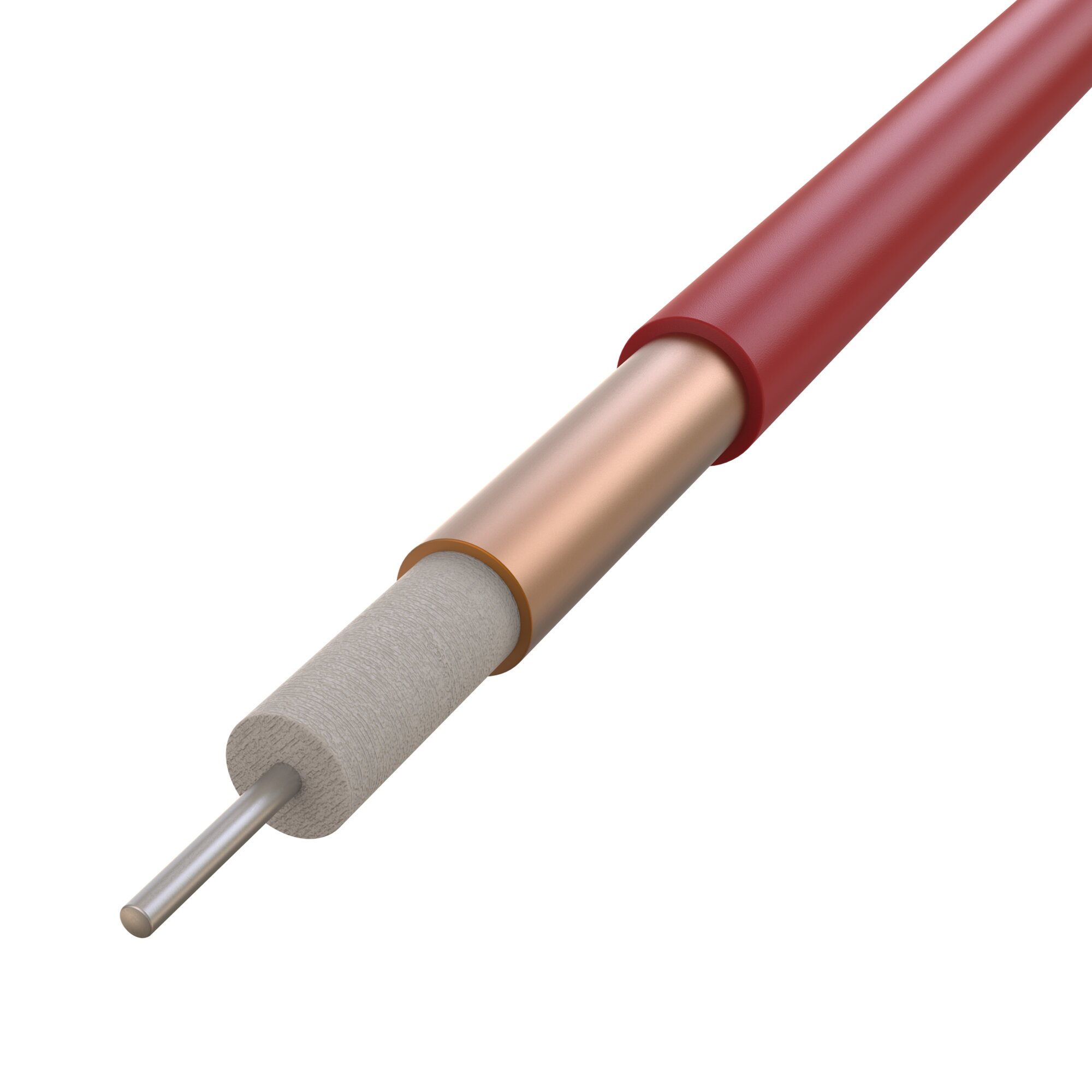
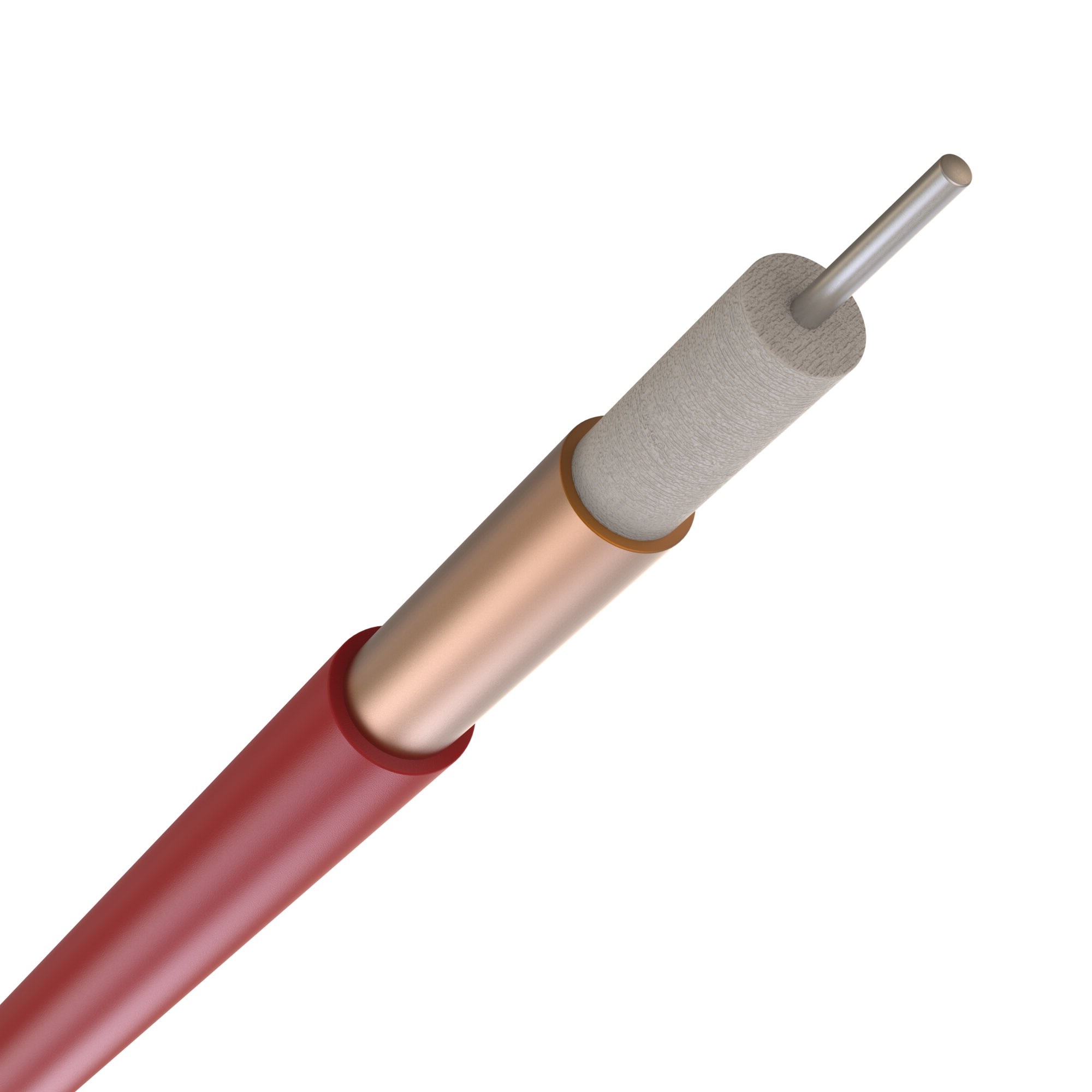
کابل هیت تریس سری MI ریکم با غلاف مسی و روکش LSZH
برند: Raychem | سری محصول: MI Series | نوع عایق: Mineral Insulated | کاربرد: گرمایش الکتریکی و حفاظت در برابر یخزدگی
معرفی کابل هیت تریس Raychem MI با غلاف مسی
کابل هیت تریس سری MI برند Raychem از نوع کابلهای گرمایشی مقاومتی با عایق معدنی (Mineral Insulated) و غلاف مسی است. این محصول با روکش خارجی کمدود و بدون هالوژن (LSZH) عرضه میشود و برای کاربردهای گرمایش الکتریکی، حفظ دما و جلوگیری از یخزدگی در پروژههای ساختمانی، صنعتی و زیرساختی مورد استفاده قرار میگیرد.
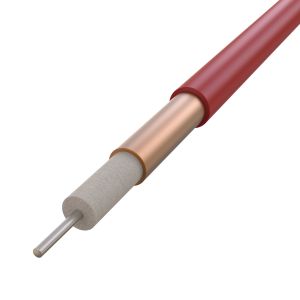
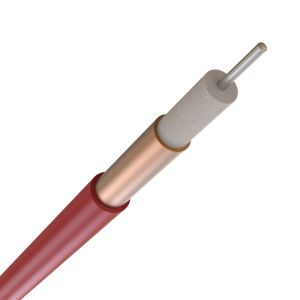
در ساختار این کابل از عایق اکسید منیزیم (MgO) استفاده شده است. این عایق معدنی، هادی گرمایشی را از غلاف فلزی جدا میکند و بخشی از ساختار الکتریکی کابل را تشکیل میدهد. غلاف مسی نیز در کنار روکش خارجی، ساختاری مناسب برای کاربردهای تعریفشده محصول فراهم میکند. انتخاب کابل باید بر اساس شرایط نصب، الزامات مکانیکی، دمای محیط و نیاز حرارتی پروژه انجام شود.
کابل MI ریکم میتواند در کاربردهایی مانند گرمایش داخل بتن یا آسفالت، سیستمهای برفزدایی سقف، جلوگیری از یخزدگی خاک، ذوب برف در محوطههای روباز و حفظ دمای لولهها در شرایط مناسب به کار رود. طراحی مدارهای طولانی و امکان بررسی آرایشهای سهفاز نیز از قابلیتهایی هستند که در طراحی سیستمهای گرمایشی قابل بررسیاند.
ویژگیها و مزایای کابل هیت تریس MI
عایق معدنی MgO
استفاده از اکسید منیزیم بهعنوان عایق الکتریکی معدنی در ساختار کابل گرمایشی مقاومتی.
غلاف مسی مقاوم
ساختار دارای غلاف مسی برای کاربردهای گرمایشی متناسب با مشخصات و شرایط طراحی محصول.
روکش کمدود و بدون هالوژن
روکش خارجی LSZH با رنگ قرمز که قابلیت مشاهده کابل را هنگام اجرا در بتن یا آسفالت افزایش میدهد.
توان حرارتی تا ۱۱۵ وات بر متر
قابلیت دستیابی به توان حرارتی اعلامشده تا ۱۱۵ وات بر متر، با توجه به مدل و شرایط کاربرد.
مناسب برای مدارهای طولانی
امکان طراحی مدارهای گرمایشی طولانیتر برای پوشش سطوح و مسیرهای گسترده، با رعایت محدودیتهای الکتریکی.
قابلیت طراحی سهفاز
امکان بررسی آرایش سهفاز برای توزیع مناسب بار الکتریکی و بهینهسازی طراحی سیستم.
کاربرد در شرایط محیطی متنوع
قابل بررسی برای گرمایش بتن، آسفالت، سطوح روباز، خاک و لولهها، متناسب با تأییدیه و شرایط نصب.
دوام و قابلیت اطمینان
طراحیشده برای کاربردهای گرمایشی مشخص؛ شرایط ضمانت و طول عمر باید از اسناد رسمی محصول بررسی شود.
مشخصات فنی کابل هیت تریس Raychem MI با غلاف مسی
کابل هیت تریس سری MI ریکم برای گرمایش الکتریکی، حفظ دما و جلوگیری از یخزدگی در کاربردهای ساختمانی و زیرساختی معرفی شده است. جدول زیر مشخصات ارائهشده برای این محصول را نمایش میدهد. مقادیر نهایی سفارش و طراحی باید با دیتاشیت مدل دقیق تطبیق داده شوند.
| مشخصه | مقدار / توضیحات |
|---|---|
| برند | Raychem |
| سری محصول | MI Series |
| نوع محصول | کابل هیت تریس مقاومتی با عایق معدنی |
| فناوری گرمایش | Mineral Insulated Heating Cable |
| جنس عایق | اکسید منیزیم (MgO) |
| جنس غلاف فلزی | مس (Copper) |
| جنس روکش خارجی | LSZH؛ کمدود و بدون هالوژن |
| رنگ روکش خارجی | قرمز |
| حداکثر دمای مواجهه پیوسته در حالت خاموش | ۹۰ درجه سانتیگراد |
| حداکثر توان حرارتی اعلامشده | تا ۱۱۵ وات بر متر، بسته به کاربرد و مدل |
| حداقل دمای نصب | حدود ۳۰- درجه سانتیگراد |
| قابلیت طراحی مدار سهفاز | دارد؛ مشروط به طراحی الکتریکی مناسب |
| قابلیت طراحی مدارهای طولانی | قابل بررسی بر اساس مقاومت کابل، ولتاژ و محدودیتهای مدار |
| کاربرد در مناطق خطرناک | وابسته به مدل، نوع کاربرد و تأییدیه معتبر |
| کاربردهای اصلی | گرمایش بتن و آسفالت، برفزدایی، حفاظت در برابر یخزدگی و گرمایش لولهها |
| شرایط ضمانت | مطابق شرایط ضمانت اعلامشده برای مدل و تأمینکننده |
ساختار کابل عایق معدنی MI
کابلهای گرمایشی MI بر پایه یک هادی مقاومتی و عایق معدنی ساخته میشوند. عایق اکسید منیزیم (MgO) وظیفه جداسازی الکتریکی هادی از غلاف فلزی را بر عهده دارد. در محصول موردنظر، غلاف فلزی از مس و روکش خارجی از نوع کمدود و بدون هالوژن معرفی شده است.
این ساختار برای کاربردهای گرمایشی مشخص طراحی شده است؛ با این حال، مقاومت مکانیکی، سازگاری شیمیایی، حداقل شعاع خمش و شرایط مجاز نصب باید بر اساس مستندات مدل دقیق بررسی شوند. همچنین نباید مشخصات این محصول را با کابلهای MI دارای غلاف آلیاژ 825 یا استنلس استیل یکسان در نظر گرفت.
تفاوت کابل MI با کابل خودتنظیمشونده
کابل MI از عنصر گرمایشی مقاومتی با عایق معدنی استفاده میکند. طراحی توان و طول مدار آن بر اساس مشخصات الکتریکی کابل، ولتاژ تغذیه، اتلاف حرارت و شرایط نصب انجام میشود.
در مقابل، کابلهای خودتنظیمشونده دارای هسته پلیمری هستند که توان خروجی آن با تغییر دما تغییر میکند. بنابراین، روش محاسبه توان، جریان راهاندازی، طول مجاز مدار و انتخاب تجهیزات حفاظتی در این دو فناوری یکسان نیست.
نحوه تعیین توان حرارتی موردنیاز
توان موردنیاز سیستم باید با توجه به اتلاف حرارت لوله یا سطح، دمای نگهداری موردنظر، حداقل دمای محیط، مشخصات عایق حرارتی، شرایط نصب و زمان موردنیاز برای گرمایش تعیین شود. سپس توان خروجی و طول مدار کابل باید با نیاز حرارتی محاسبهشده تطبیق داده شوند.
حداکثر توان اعلامشده ۱۱۵ وات بر متر بهتنهایی به معنی تأمین این توان در تمام شرایط نصب یا مناسب بودن کابل برای هر طول مدار نیست. انتخاب نهایی به مدل محصول، ولتاژ تغذیه، مقاومت الکتریکی، محدودیتهای مدار و شرایط دفع حرارت وابسته است.
بررسی روکش LSZH
روکش LSZH از موادی با ویژگی کمدود و بدون هالوژن ساخته میشود و در کاربردهایی که محدود کردن دود و گازهای هالوژنی اهمیت دارد، مورد توجه قرار میگیرد. رنگ قرمز روکش نیز میتواند به تشخیص کابل هنگام اجرا در بتن یا آسفالت کمک کند.
ویژگی LSZH بهتنهایی نشاندهنده مقاومت نامحدود در برابر آتش، مواد شیمیایی یا تمام شرایط محیطی نیست. محدوده دمایی مجاز روکش و سازگاری آن با روش نصب باید از مشخصات رسمی سازنده بررسی شود.
کاربردهای کابل هیت تریس Raychem MI
کابل هیت تریس سری MI ریکم با غلاف مسی و روکش LSZH برای کاربردهایی طراحی شده است که به گرمایش الکتریکی، حفظ دما یا جلوگیری از یخزدگی نیاز دارند. این محصول میتواند در پروژههای ساختمانی، زیرساختی و صنعتی مورد استفاده قرار گیرد؛ مشروط بر آنکه مشخصات مدل انتخابی با شرایط محیطی و الزامات طراحی سازگار باشد.
- جلوگیری از یخزدگی لولهها و خطوط انتقال سیالات
- حفظ دمای خطوط و تجهیزات در کاربردهای مناسب
- گرمایش داخل بتن برای کاربردهای تعریفشده
- گرمایش و ذوب برف در سطوح آسفالتی
- سیستمهای برفزدایی سقف و جلوگیری از تشکیل یخ در مسیرهای تخلیه آب
- ذوب برف و یخ در محوطهها و سطوح روباز
- جلوگیری از یخزدگی خاک و حفاظت از زیرساختهای مشخص
- اجرای سیستمهای گرمایش الکتریکی در مسیرهای طولانی
کاربرد کابل MI در گرمایش بتن و آسفالت
یکی از کاربردهای معرفیشده برای این کابل، استفاده در سیستمهای گرمایش داخل بتن یا آسفالت است. در این پروژهها، آرایش کابل، فاصله مسیرهای گرمایشی، عمق نصب، توان موردنیاز و نحوه کنترل دما باید پیش از اجرا تعیین شوند.
روکش قرمز LSZH میتواند به تشخیص کابل در مراحل اجرای پروژه کمک کند. با این حال، روش نصب باید با مشخصات مکانیکی کابل، الزامات سازنده و شرایط بتنریزی یا اجرای آسفالت مطابقت داشته باشد. همچنین کابل نباید در معرض آسیب مکانیکی یا دمایی خارج از محدوده مجاز قرار گیرد.
استفاده در سیستمهای برفزدایی
در سیستمهای برفزدایی سقف و سطوح روباز، کابل گرمایشی برای ایجاد گرمای لازم جهت ذوب برف و کاهش تشکیل یخ در نواحی طراحیشده به کار میرود. تعیین توان موردنیاز به شرایط آبوهوایی، میزان برف، نوع سطح، هندسه مسیر و نحوه دفع آب حاصل از ذوب بستگی دارد.
انتخاب کابل برای این کاربرد باید با توجه به مجاز بودن مدل برای نصب در محل موردنظر، شرایط رطوبتی، تجهیزات حفاظتی برق و دستورالعملهای نصب انجام شود. استفاده از کابل در فضای باز یا محیطهای مرطوب نباید بدون بررسی درجه حفاظت و محدودیتهای محصول انجام گیرد.
اهمیت طراحی حرارتی و الکتریکی
عملکرد مناسب سیستم MI به انتخاب صحیح توان، طول مدار و تجهیزات کنترلی وابسته است. در طراحی باید اتلاف حرارت سطح یا لوله، دمای نگهداری موردنیاز، حداقل دمای محیط، مشخصات عایق حرارتی، ولتاژ تغذیه و ظرفیت تجهیزات حفاظتی بررسی شوند.
قابلیت طراحی مدارهای طولانی یا سهفاز میتواند در پروژههای گسترده مفید باشد؛ اما طول مجاز هر مدار به مقاومت کابل، ولتاژ تغذیه، جریان مجاز، افت ولتاژ و محدودیتهای حرارتی وابسته است. بنابراین، طراحی مدار باید با محاسبات مهندسی انجام شود و صرفاً بر اساس حداکثر توان اسمی صورت نگیرد.
تجهیزات جانبی موردنیاز
تجهیزات جانبی سیستم باید با نوع کابل MI، شرایط نصب و الزامات ایمنی پروژه سازگار باشند.
برای اتصال ایمن کابل به مدار تغذیه با رعایت دستورالعمل سازنده و الزامات عایقی.
برای خاتمه صحیح کابل و تأمین حفاظت الکتریکی موردنیاز در انتهای مدار.
برای کنترل دمای سطح یا فرآیند و مدیریت عملکرد سیستم، در صورت نیاز به کنترل خودکار.
برای حفاظت در برابر اضافهجریان و جریان نشتی، متناسب با طراحی مدار و مقررات محل نصب.
نکات مهم نصب و ایمنی
- توان حرارتی موردنیاز را پیش از انتخاب مدل کابل محاسبه کنید.
- دمای مجاز کارکرد و دمای مواجهه در حالت خاموش را از دیتاشیت دقیق بررسی کنید.
- طول مدار، ولتاژ تغذیه، مقاومت کابل و ظرفیت تجهیزات حفاظتی را در طراحی لحاظ کنید.
- از کیتهای اتصال و انتهایی سازگار با مدل کابل استفاده کنید.
- الزامات اتصال زمین و حفاظت در برابر جریان نشتی را رعایت کنید.
- از وارد شدن آسیب مکانیکی یا خمکاری خارج از محدوده مجاز به کابل جلوگیری کنید.
- مناسب بودن غلاف مسی را برای شرایط رطوبتی، شیمیایی و محیط نصب ارزیابی کنید.
- روکش LSZH را در محدوده دمایی مجاز و مطابق دستورالعمل سازنده استفاده کنید.
- پیش از راهاندازی، آزمونهای الکتریکی موردنیاز را طبق دستورالعمل محصول انجام دهید.
- در مناطق مستعد خطر، گواهی معتبر و الزامات نصب مدل دقیق را بررسی کنید.
مصرف انرژی و هزینه بهرهبرداری
مصرف انرژی سیستم گرمایشی MI به توان واقعی مدار، مدت زمان کارکرد، شرایط محیطی، میزان اتلاف حرارت و نحوه کنترل دما بستگی دارد. توان اسمی کابل بهتنهایی برای محاسبه دقیق مصرف انرژی یا هزینه برق کافی نیست.
برای برآورد اولیه مصرف انرژی، توان متوسط واقعی مدار بر حسب وات را در مدت زمان کارکرد بر حسب ساعت ضرب کرده و حاصل را بر ۱۰۰۰ تقسیم کنید. نتیجه بر حسب کیلوواتساعت خواهد بود. در سیستمهایی که از کنترلکننده دما استفاده میکنند، مدت واقعی روشن بودن مدار نیز باید در محاسبه لحاظ شود.
راهنمای انتخاب و خرید کابل MI ریکم
برای انتخاب مدل مناسب کابل هیت تریس Raychem MI با غلاف مسی، بهتر است اطلاعات زیر پیش از سفارش مشخص شوند:
- نوع کاربرد؛ مانند گرمایش بتن، برفزدایی، گرمایش لوله یا حفاظت در برابر یخزدگی
- دمای موردنیاز سیستم و حداقل دمای محیط
- توان حرارتی موردنیاز برای جبران اتلاف حرارت
- طول مسیر گرمایشی و آرایش کابلها
- ولتاژ تغذیه و مشخصات الکتریکی مدار
- نوع سطح یا تجهیز و شرایط نصب
- شرایط رطوبتی، شیمیایی و احتمال خوردگی
- نیاز به طراحی تکفاز یا سهفاز
- تجهیزات کنترلی، کیتهای اتصال و حفاظت الکتریکی
- دیتاشیت، شماره کاتالوگ و شرایط ضمانت مدل انتخابی
بررسی این اطلاعات به انتخاب کابل مناسب از نظر توان، طول مدار و شرایط محیطی کمک میکند. برای جلوگیری از انتخاب نادرست، مشخصات نهایی محصول باید با نیاز حرارتی پروژه، الزامات نصب و مستندات رسمی سازنده تطبیق داده شوند.
جمعبندی؛ کابل هیت تریس MI ریکم با غلاف مسی
کابل هیت تریس سری MI برند Raychem با عایق معدنی اکسید منیزیم، غلاف مسی و روکش کمدود و بدون هالوژن LSZH، برای کاربردهای گرمایش الکتریکی، حفظ دما و جلوگیری از یخزدگی در شرایط مناسب طراحی شده است. قابلیت استفاده در گرمایش بتن و آسفالت، سیستمهای برفزدایی، حفاظت از خاک و گرمایش لولهها از کاربردهای معرفیشده این محصول هستند. توان حرارتی تا ۱۱۵ وات بر متر و امکان بررسی مدارهای طولانی و سهفاز میتوانند در طراحی سیستم مورد توجه قرار گیرند. انتخاب نهایی باید با توجه به دیتاشیت مدل دقیق، محاسبات حرارتی و الکتریکی، شرایط نصب و الزامات ایمنی پروژه انجام شود.
Raychem MI Series Jacketed Copper Heating Cable
Brand: Raychem | Manufacturer: Chemelex | Product Type: Mineral Insulated Heating Cable
Applications: Surface Heating, Snow Melting, Roof De-Icing, Frost Protection and Pipe Heat Tracing
1. Product Overview
The Raychem MI Series Jacketed Copper Heating Cable is an industrial electric resistance heating solution designed for applications requiring dependable heat generation, frost protection, surface heating and snow or ice management. Its construction is intended for demanding installation environments where reliable electrical performance, mechanical protection and long-term durability are important.
The cable features mineral insulation made from magnesium oxide (MgO), a copper metallic sheath and a Low Smoke Zero Halogen (LSZH) outer jacket. This construction combines electrical insulation and metallic protection with an external jacket suitable for specified installation environments.
The MI Series Jacketed Copper Heating Cable can be considered for selected applications involving concrete, asphalt, paved surfaces, roofs, drainage areas and compatible piping. The appropriate cable configuration must be selected according to the required heating output, electrical conditions, installation method and environmental exposure.
Product ratings and approvals vary by configuration and intended application. The exact cable part number and its applicable technical documentation should be checked before final engineering or procurement.
2. Key Features and Benefits
Mineral Insulation Technology
Magnesium oxide insulation provides electrical separation between the resistance heating element and the metallic sheath while supporting heat transfer to the surrounding installation.
Copper Metallic Sheath
The copper sheath forms a protective metallic enclosure around the insulated heating assembly and contributes to the cable's thermal and mechanical characteristics.
LSZH Outer Jacket
The Low Smoke Zero Halogen outer jacket is designed to reduce smoke and halogen acid gas emissions under specified fire conditions compared with conventional halogen-containing materials.
Surface Heating Applications
Suitable configurations can be incorporated into engineered systems for heated concrete, asphalt, walkways, ramps and selected outdoor surfaces.
Snow and Ice Management
Can be used in appropriately designed snow-melting and de-icing systems for selected roofs, drainage areas, pedestrian routes and vehicle access areas.
Frost Protection
Supports engineered heating systems designed to reduce freezing risks in compatible piping, ground structures and outdoor installations.
Industrial Durability
Mineral insulation and metallic sheath construction are intended to provide reliable performance when the cable is correctly selected, installed and operated within its rated limits.
Flexible System Design
Cable layout, circuit configuration, temperature controls and electrical distribution can be engineered to suit the specific installation.
3. Technical Specifications
| Parameter | Specification |
|---|---|
| Brand | Raychem |
| Manufacturer | Chemelex |
| Product Series | MI Series Jacketed Copper |
| Cable Type | Mineral Insulated Resistance Heating Cable |
| Insulation Material | Magnesium Oxide (MgO) |
| Metallic Sheath Material | Copper |
| Outer Jacket | Low Smoke Zero Halogen (LSZH) |
| Maximum Continuous Exposure Temperature, De-Energized | 90°C (194°F), subject to the applicable product rating |
| Maximum Specified Power Output | Up to 115 W/m (approximately 35 W/ft), where applicable |
| Minimum Installation Temperature | −30°C (−22°F), subject to the applicable product instructions |
| Supply Voltage | Depends on the selected cable configuration |
| Maximum Heating Circuit Length | Depends on cable resistance, supply voltage and circuit design |
| Area Classification | Hazardous or non-hazardous areas only where the selected configuration has the required approvals |
| Primary Applications | Surface Heating, Snow Melting, Roof De-Icing, Frost Protection and Compatible Pipe Heat Tracing |
| Warranty | Warranty availability and duration are subject to the applicable manufacturer's terms |
4. Main Applications
The Raychem MI Series Jacketed Copper Heating Cable is intended for selected heating applications where its electrical ratings, thermal characteristics and installation requirements match the project conditions.
- Concrete and asphalt surface heating
- Heated driveways and vehicle access ramps
- Pedestrian walkways and outdoor entrance areas
- Snow melting for selected paved surfaces
- Roof de-icing and designated drainage areas
- Frost protection for slabs and ground structures
- Compatible industrial and utility pipe heat tracing
- Freeze protection for suitable piping systems
- Selected outdoor infrastructure installations
- Approved installations in applicable hazardous areas
5. Concrete and Asphalt Surface Heating
In surface-heating applications, the cable is arranged within a properly designed concrete or asphalt structure. Electrical energy is converted into heat, which is transferred to the surrounding material to support snow melting, ice prevention or frost protection.
Typical applications include driveways, access ramps, walkways, loading areas and selected outdoor industrial surfaces. The required heating capacity depends on the local climate, design snowfall conditions, wind exposure, surface construction and desired operating performance.
Cable spacing, installation depth, circuit layout and control strategy must be established through project-specific thermal and electrical calculations. The cable must be protected against damage during installation and placement of the surrounding material.
6. Roof De-Icing and Snow Melting
Roof de-icing systems use electric heating to help maintain drainage paths and reduce ice accumulation in designated areas. The cable may be considered for suitable roof edges, eaves, gutters or drainage sections where the selected configuration is approved for the application.
A complete design should consider roof geometry, drainage routes, local weather conditions, heat losses and the possibility of refreezing downstream from heated areas. Appropriate electrical protection, temperature controls and compatible installation accessories are essential.
7. Pipe Heat Tracing and Freeze Protection
In pipe heat-tracing applications, electrical heat is transferred to the pipe to compensate for heat losses and maintain the required temperature. The objective may be to prevent a compatible fluid from freezing or to maintain a specified temperature under defined operating conditions.
Cable selection depends on pipe diameter, pipe material, fluid properties, insulation thickness, ambient temperature, supply voltage and required maintenance temperature. The design must also consider circuit length, heat loss, startup conditions and the maximum permissible cable operating temperature.
The suitability of this product for a specific process application must be verified before use. High-temperature industrial process duties should not be assumed to be supported solely because the product uses mineral insulation.
8. How Mineral Insulated Heating Cable Works
Mineral insulated heating cable generates heat through electrical resistance. When current flows through the heating conductor, electrical energy is converted into thermal energy and transferred through the insulating material and metallic sheath to the surrounding surface, pipe or equipment.
Magnesium oxide provides electrical insulation between the heating conductor and the metallic sheath. The copper sheath forms part of the cable's protective construction, while the LSZH outer jacket provides an additional external material layer.
Unlike self-regulating heating cables, conventional mineral-insulated resistance heating cables do not automatically adjust their output through a self-regulating polymer core. Suitable temperature controls, electrical protection and thermal design are therefore important for reliable operation.
9. Design and Installation Considerations
Correct product selection, installation and commissioning are essential for the safe and reliable operation of a heating system. The following parameters should be evaluated during engineering:
- Required surface or process maintenance temperature
- Minimum ambient temperature and environmental exposure
- Calculated heat loss and required heating capacity
- Surface construction, pipe dimensions and materials
- Thermal insulation type and thickness, where applicable
- Supply voltage, cable resistance and circuit length
- Permissible power output and cable operating temperature
- Installation method, cable spacing and mechanical protection
- Compatible power connections and end terminations
- Temperature sensors, controllers and monitoring equipment
- Grounding, overcurrent and residual-current protection
- Hazardous-area approvals and applicable electrical regulations
10. Energy Consumption and Operating Costs
Energy consumption depends on the actual electrical power of the installed circuit, operating duration, heat losses, ambient conditions and temperature-control strategy. The maximum specified cable output should not automatically be treated as the continuous operating load.
Energy Consumption (kWh) = Average Electrical Power (W) × Operating Time (hours) ÷ 1000
For example, a heating circuit with an average electrical load of 2,000 W operating for 5 hours consumes approximately 10 kWh. Actual consumption may vary according to the system design, operating schedule and control settings.
An accurate operating-cost estimate should use the calculated circuit load, expected operating hours and applicable electricity tariff.
11. Product Selection Guide
Before specifying or purchasing the Raychem MI Series Jacketed Copper Heating Cable, confirm the project requirements and the exact product configuration.
- Required heating duty and target temperature
- Total heated surface area or pipe length
- Minimum ambient temperature and local climate
- Required power output per metre or per unit area
- Supply voltage and electrical circuit arrangement
- Required cable length and resistance
- Installation method and mechanical protection
- Compatibility with the intended environment
- Applicable approvals and area classification
- Compatible connection kits and control accessories
- Manufacturer part number and technical documentation
Final selection should be based on verified product ratings, project-specific thermal calculations and electrical design. Product availability, compatible accessories and warranty conditions should be confirmed before procurement.
12. Maintenance and System Reliability
A properly designed and installed heating system should be inspected and tested according to the applicable maintenance plan. Inspection frequency depends on the application, environmental exposure, system criticality and relevant installation requirements.
- Inspect accessible cables and connections for damage.
- Check control equipment and temperature sensors.
- Verify protective devices and grounding arrangements.
- Perform electrical tests according to the manufacturer's instructions.
- Investigate abnormal heating performance or repeated circuit trips.
- Maintain installation and commissioning test records.
Electrical testing must be performed by qualified personnel using procedures appropriate for the installed heating system and connected equipment.
13. Warranty and Technical Support
Warranty coverage depends on the exact product, market, purchase conditions and applicable manufacturer's terms. Confirm the available warranty period and eligibility before purchase.
For technical selection, installation guidance and compatible accessories, use the documentation applicable to the exact MI Series Jacketed Copper Heating Cable configuration.
14. Product Summary
| Product | Raychem MI Series Jacketed Copper Heating Cable |
| Manufacturer | Chemelex |
| Heating Technology | Mineral-Insulated Electrical Resistance Heating |
| Insulation | Magnesium Oxide (MgO) |
| Metallic Sheath | Copper |
| Outer Jacket | Low Smoke Zero Halogen (LSZH) |
| Maximum Specified Power Output | Up to 115 W/m, where applicable |
| Maximum Continuous Exposure Temperature, De-Energized | Up to 90°C, subject to the applicable product rating |
| Minimum Installation Temperature | −30°C, subject to the applicable product instructions |
| Primary Uses | Surface Heating, Snow Melting, Roof De-Icing, Frost Protection and Compatible Pipe Heat Tracing |
15. Conclusion
The Raychem MI Series Jacketed Copper Heating Cable is an electric resistance heating solution designed for selected surface-heating, snow-melting, roof de-icing, frost-protection and compatible pipe heat-tracing applications.
Its magnesium oxide insulation, copper metallic sheath and LSZH outer jacket provide a construction intended for reliable performance in appropriately engineered installations. The cable can be incorporated into heating systems where its verified electrical and thermal characteristics meet the project requirements.
Final product selection must be based on the exact cable configuration, manufacturer-approved ratings, heat-loss calculations, electrical protection requirements and installation conditions. Maximum output and temperature ratings must not be generalized across all configurations.


