


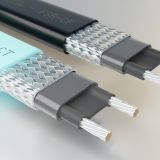

کابل هیت تریس خودتنظیمشونده SnoMelt (SM)
سازنده: Heat Trace | نام محصول: SnoMelt | مدل: SM | نوع محصول: کابل گرمایشی خودتنظیمشونده | کاربرد: برفزدایی و جلوگیری از یخزدگی سطوح بتنی
۱. معرفی محصول
کابل گرمایشی SnoMelt (SM) محصول شرکت Heat Trace، یک کابل حرارتی خودتنظیمشونده با کاربرد تجاری و صنعتی است که برای ذوب برف و جلوگیری از تشکیل یخ روی سطوح مختلف طراحی شده است. این محصول با تولید گرما در سطح موردنظر، به حفظ ایمنی مسیرهای عبور و مرور در فصل سرما کمک میکند و برای نصب در زیر سطوح بتنی، رمپها، پیادهروها، پلهها و سکوهای بارگیری مناسب است.
یکی از مهمترین ویژگیهای کابل SnoMelt، فناوری خودتنظیمشوندگی آن است. این فناوری باعث میشود توان حرارتی کابل متناسب با تغییرات دمای سطح تنظیم شود؛ در نتیجه، با افزایش دما، خروجی گرمایی کاهش مییابد و با کاهش دما، توان گرمایشی افزایش پیدا میکند. این عملکرد میتواند به کاهش مصرف انرژی و هزینههای بهرهبرداری کمک کند.
۲. ویژگیها و مزایای کابل SnoMelt
فناوری خودتنظیمشونده
تنظیم خودکار توان حرارتی متناسب با تغییرات دما.
قابلیت برش در محل نصب
امکان برش کابل در طول موردنیاز برای تطبیق با ابعاد پروژه.
مناسب برای نصب در بتن
طراحیشده برای سیستمهای برفزدایی و یخزدایی سطوح بتنی.
کاهش خطر یخزدگی
کمک به جلوگیری از تشکیل یخ در مسیرهای عبور، رمپها و راهپلهها.
مقاومت در برابر افزایش بیش از حد دما
ساختار خودتنظیمشونده کابل، خطر داغشدن بیش از حد و سوختن کابل را حتی در صورت تماس یا همپوشانی با خودش کاهش میدهد؛ بااینحال، همپوشانی کابل توصیه نمیشود.
نصب آسان
امکان اجرای سیستم با استفاده از تجهیزات و کیتهای اتصال و آببندی متناسب با پروژه.
کاربردهای تجاری و صنعتی
مناسب برای محوطههای تجاری، ساختمانها، مسیرهای دسترسی و مناطق بارگیری.
۳. کاربردهای کابل حرارتی SnoMelt
کابل SnoMelt برای استفاده در سیستمهای برفزدایی و جلوگیری از یخزدگی در کاربردهای زیر مناسب است:
مسیرهای بتنی و پیادهروها
کمک به ذوب برف و کاهش احتمال تشکیل یخ در مسیرهای عبور عابران پیاده.
رمپهای ورودی پارکینگ
کمک به کاهش خطر لغزندگی در رمپها و مسیرهای شیبدار.
راهپلهها و پلههای بیرونی
کمک به جلوگیری از تجمع برف و تشکیل لایه یخ روی پلهها و مسیرهای دسترسی.
شبکهها و گریتینگهای مسیرهای عبور
قابل بررسی برای کاربردهای برفزدایی در مسیرهای مجهز به شبکهها و گریتینگها، مطابق دستورالعمل سازنده.
سکوهای بارگیری و تخلیه کالا
کمک به حفظ ایمنی سکوهای بارگیری و تخلیه در محیطهای تجاری و صنعتی.
مسیرهای دسترسی ساختمانهای تجاری و صنعتی
کمک به کاهش مشکلات ناشی از تجمع برف و یخ در مسیرهای پرتردد و ورودی ساختمانها.
۴. مشخصات فنی کابل SnoMelt (SM)
مشخصات فنی این محصول بر اساس اطلاعات ارائهشده برای معرفی کابل SnoMelt تنظیم شدهاند. پیش از خرید یا طراحی نهایی، مقادیر باید با دیتاشیت رسمی سازنده و کد دقیق محصول تطبیق داده شوند.
برند: Heat Trace
مدل: SnoMelt (SM)
نوع کابل: کابل گرمایشی خودتنظیمشونده
کاربرد اصلی: ذوب برف و جلوگیری از تشکیل یخ
حداکثر دمای سطح: ۴۰ درجه سانتیگراد
حداقل دمای نصب: منفی ۳۰ درجه سانتیگراد
ولتاژ تغذیه: تا ۲۷۷ ولت AC/DC، مطابق مشخصات اعلامشده سازنده
ابعاد کابل: حدود ۱۵٫۴ × ۶٫۵ میلیمتر با تلرانس ±۰٫۵ میلیمتر
درجه حفاظت: IP67
حداقل شعاع خمش: ۴۰ میلیمتر
وزن تقریبی: ۱۵٫۷ کیلوگرم در هر ۱۰۰ متر
رزوه گلند کابل: M25
۵. نحوه عملکرد کابل SnoMelt
کابل SnoMelt با توجه به دمای محیط نصب، توان گرمایشی خود را تنظیم میکند. هنگام کاهش دما و فراهمشدن شرایط یخزدگی، کابل گرما تولید میکند تا به ذوب برف و جلوگیری از تشکیل لایه یخ کمک کند. با افزایش دما، خروجی حرارتی آن کاهش مییابد. این ویژگی، علاوه بر کمک به مدیریت مصرف انرژی، عملکرد سیستم گرمایش سطحی را متناسب با شرایط محیطی بهینه میکند.
فناوری خودتنظیمشونده باعث میشود توان خروجی کابل در شرایط مختلف دمایی تغییر کند. بااینحال، میزان انرژی مصرفی و عملکرد واقعی سیستم به عواملی مانند دمای محیط، توان نصبشده، مدتزمان کارکرد، شرایط آبوهوایی و طراحی سیستم بستگی دارد.
۶. نصب و راهاندازی
این کابل برای نصب در ساختارهای بتنی طراحی شده و قابلیت برش در محل، اجرای آن را متناسب با ابعاد و هندسه سطح آسانتر میکند. برای تکمیل سیستم، باید از تجهیزات مناسب اتصال برق، آببندی انتهای کابل و جعبههای اتصال استفاده شود.
طراحی مدار، طول مجاز کابل، تجهیزات حفاظتی، روش نصب و اتصالات باید بر اساس دیتاشیت رسمی سازنده و شرایط پروژه تعیین شوند. برای دستیابی به عملکرد مطمئن، رعایت دستورالعملهای نصب و الزامات ایمنی الکتریکی ضروری است.
بررسی محل نصب
تعیین محدوده موردنیاز برای برفزدایی و بررسی شرایط سطح، مسیرهای عبور و محدودیتهای اجرایی.
محاسبات حرارتی
تعیین توان موردنیاز و آرایش کابلها بر اساس شرایط آبوهوایی، نوع سطح و میزان اتلاف حرارت.
جانمایی کابل
نصب و تثبیت کابل مطابق نقشه اجرایی، فاصلههای طراحیشده و دستورالعمل رسمی سازنده.
اتصالات و آببندی
استفاده از تجهیزات سازگار برای اتصال برق، آببندی انتهای کابل و حفاظت از اتصالات.
آزمون پیش از پوشش
بررسی وضعیت ظاهری کابل و انجام آزمونهای الکتریکی لازم پیش از اجرای پوشش نهایی.
راهاندازی نهایی
بررسی تجهیزات حفاظتی و عملکرد سیستم پیش از بهرهبرداری مطابق دستورالعمل سازنده.
۷. تجهیزات جانبی موردنیاز
برای اجرای کامل سیستم برفزدایی با کابل SnoMelt، انتخاب تجهیزات جانبی باید بر اساس مدل کابل، شرایط محیطی و الزامات الکتریکی پروژه انجام شود. تجهیزات موردنیاز میتوانند شامل موارد زیر باشند:
کیت اتصال برق
برای اتصال ایمن کابل گرمایشی به منبع تغذیه، مطابق نوع کابل و دستورالعمل سازنده.
کیت انتهای کابل
برای آببندی و عایقکاری انتهای کابل و جلوگیری از نفوذ رطوبت به اجزای داخلی.
جعبه اتصال و گلند
برای حفاظت از اتصالات و ورود کابل با توجه به شرایط محیطی و درجه حفاظت موردنیاز.
تجهیزات حفاظت مدار
برای حفاظت الکتریکی متناسب با جریان راهاندازی، طول مدار و الزامات استاندارد.
سیستم کنترل
برای مدیریت زمان کارکرد و عملکرد سیستم برفزدایی متناسب با طراحی پروژه و شرایط محیطی.
تجهیزات نصب و تثبیت
برای جانمایی صحیح کابل و جلوگیری از جابهجایی یا آسیبدیدن آن هنگام اجرای کف.
نوع و تعداد تجهیزات جانبی باید با توجه به نقشه اجرایی، شرایط محیطی، کد دقیق کابل و الزامات برق پروژه تعیین شود. استفاده از تجهیزات سازگار و مورد تأیید سازنده برای اطمینان از عملکرد صحیح سیستم ضروری است.
۸. نکات مهم در انتخاب کابل SnoMelt
برای انتخاب کابل مناسب در سیستم برفزدایی، باید شرایط محیطی و نیاز حرارتی پروژه بهدقت بررسی شوند. انتخاب صحیح کابل میتواند به بهبود عملکرد سیستم، کاهش اتلاف انرژی و افزایش ایمنی مسیرهای عبور کمک کند.
مهمترین پارامترهای انتخاب عبارتاند از:
• مساحت و هندسه سطح مورد گرمایش
• حداقل دمای محیط در فصل سرما
• میزان و شدت بارش برف
• سرعت باد و میزان اتلاف حرارتی
• نوع پوشش سطح و مشخصات سازه
• توان گرمایشی موردنیاز در واحد سطح
• ولتاژ تغذیه و طول مجاز هر مدار
• جریان راهاندازی و مشخصات تجهیزات حفاظتی
• روش نصب و عمق قرارگیری کابل
• نوع تجهیزات اتصال و شرایط آببندی
• الزامات نگهداری و دسترسی برای تعمیرات
باید مشخص شود که هدف پروژه صرفاً کاهش تشکیل یخ است یا لازم است سطح در زمان بارش برف نیز پاک بماند. این تفاوت میتواند بر توان نصبشده، آرایش کابلها و نحوه کنترل سیستم اثر بگذارد.
۹. مزایای استفاده از سیستم برفزدایی SnoMelt
افزایش ایمنی تردد
کمک به کاهش خطر لغزندگی ناشی از تجمع برف و تشکیل یخ در مسیرهای عبور و مرور.
کاهش نیاز به برفروبی دستی
کمک به کاهش وابستگی به روشهای دستی برفروبی در محدودههایی که سیستم بهدرستی طراحی شده است.
عملکرد متناسب با دما
تنظیم توان حرارتی کابل متناسب با تغییرات دما به کمک فناوری خودتنظیمشونده.
قابلیت استفاده در پروژههای مختلف
امکان طراحی سیستم برای مسیرهای بتنی، رمپها، پلهها و سکوهای بارگیری با توجه به نیاز پروژه.
۱۰. جمعبندی؛ کابل هیت تریس خودتنظیمشونده SnoMelt (SM)
کابل گرمایشی خودتنظیمشونده Heat Trace SnoMelt (SM) راهکاری برای اجرای سیستمهای برفزدایی و جلوگیری از یخزدگی در سطوح بتنی است. قابلیت برش در محل، تنظیم خودکار توان حرارتی و امکان استفاده در مسیرها، رمپها، پلهها و سکوهای بارگیری، این محصول را به گزینهای کاربردی برای پروژههای تجاری و صنعتی در مناطق سردسیر تبدیل کرده است.
فناوری خودتنظیمشونده کابل به تغییر توان حرارتی متناسب با شرایط دمایی کمک میکند. این ویژگی در کنار طراحی صحیح سیستم، انتخاب تجهیزات مناسب و رعایت دستورالعملهای نصب میتواند به بهبود عملکرد سیستم گرمایش سطحی کمک کند.
برای دستیابی به عملکرد ایمن و مؤثر، توان حرارتی، آرایش کابلها، طول مدار، تجهیزات حفاظتی و روش نصب باید متناسب با شرایط واقعی پروژه انتخاب شوند. تطبیق مشخصات محصول با دیتاشیت رسمی سازنده و رعایت دستورالعملهای نصب از مراحل ضروری طراحی و اجرای سیستم محسوب میشود.

Heat Trace SnoMelt (SM) – Self-Regulating Heating Cable
Manufacturer: Heat Trace
Commercial and Industrial Snow Melting and Ice Prevention System for Concrete Surfaces
1. Product Overview
The Heat Trace SnoMelt (SM) is a commercial and industrial-grade self-regulating electric heating cable specifically designed for snow melting and ice prevention on outdoor surfaces. It provides an electric heating solution for concrete roads, access ramps, driveways, pedestrian walkways, stairways, walkway gratings, and loading docks.
SnoMelt uses self-regulating heating technology to adjust its heat output in response to changes in temperature. As the cable temperature decreases, its heat output generally increases, helping melt snow and prevent ice formation. As the temperature rises, the heat output decreases, helping manage energy consumption and operating costs.
Designed for snow-melting applications involving concrete surfaces, SnoMelt can be cut to the required length on site, allowing the cable layout to be adapted to the dimensions and geometry of the installation. This makes it suitable for a range of commercial and industrial outdoor heating projects.
The cable is intended to be installed as part of a properly designed snow-melting system. Heating capacity, cable spacing, circuit length, electrical protection, installation method, and control strategy must be determined according to the project requirements and the manufacturer's technical documentation.
2. Key Features and Benefits
- Self-regulating heating technology that adjusts heat output according to local temperature conditions.
- Designed for snow melting and ice prevention on suitable concrete surfaces.
- Cut-to-length capability for adapting cable length to the installation layout.
- Suitable for appropriately designed outdoor heating systems in commercial and industrial environments.
- Helps reduce snow and ice accumulation on access routes and pedestrian areas.
- Helps improve winter accessibility on ramps, stairs, walkways, and loading areas.
- Self-regulating characteristics help reduce the risk of overheating under the operating conditions specified by the manufacturer.
- Overlapping the cable is not recommended, even where the self-regulating construction helps limit overheating.
- Designed for installation in concrete-based snow-melting systems in accordance with manufacturer instructions.
- Compatible connection, termination, sealing, and junction accessories can be selected for the specific installation.
- Can be incorporated into a suitably designed control system for snow melting and ice prevention.
- Suitable for commercial and industrial projects where outdoor surface heating is required.
3. Technical Specifications
| Parameter | Specification |
|---|---|
| Manufacturer | Heat Trace |
| Product Name | SnoMelt |
| Model Designation | SM |
| Product Type | Self-Regulating Electric Heating Cable |
| Primary Application | Snow Melting and Ice Prevention |
| Installation Application | Concrete-Based Outdoor Heating Systems |
| Maximum Surface Temperature | 40°C (104°F), as supplied in the product information |
| Minimum Installation Temperature | -30°C (-22°F), as supplied in the product information |
| Supply Voltage | Up to 277 V AC/DC, subject to confirmation against the exact product datasheet |
| Approximate Cable Dimensions | 15.4 × 6.5 mm (±0.5 mm) |
| Ingress Protection Rating | IP67, as supplied in the product information |
| Minimum Bending Radius | 40 mm, as supplied in the product information |
| Approximate Cable Weight | 15.7 kg per 100 m |
| Cable Gland Thread Size | M25, as supplied in the product information |
| Installation Method | Cut-to-length installation in accordance with the manufacturer's instructions |
4. Applications of SnoMelt Heating Cable
The SnoMelt (SM) heating cable is designed for snow-melting and ice-prevention applications in outdoor areas exposed to snow and freezing conditions. Typical applications include:
- Concrete roads and access routes.
- Parking garage entrance and exit ramps.
- Driveways and sloping access surfaces.
- Pedestrian walkways and footpaths.
- Outdoor stairs and stairways.
- Walkway gratings and suitable access structures.
- Loading and unloading docks.
- Commercial and industrial building entrances.
- Outdoor access areas exposed to snow and freezing conditions.
- Selected concrete surfaces where snow accumulation and ice formation need to be controlled.
When properly designed and operated, a SnoMelt system can help improve winter accessibility and reduce the risk of slippery surfaces caused by snow and ice accumulation. Actual performance depends on the installed heating capacity, local weather conditions, surface construction, cable layout, and control strategy.
5. How Does SnoMelt Work?
SnoMelt operates using a self-regulating heating matrix whose electrical resistance changes with temperature. This characteristic allows the cable to adjust its heat output in response to local thermal conditions.
When the cable temperature decreases, its heat output generally increases, helping provide heat for snow melting and ice prevention. As the temperature rises, the output decreases, helping avoid unnecessary heating under changing environmental conditions.
The self-regulating function supports responsive heating, but it does not eliminate the need for proper system design. Cable spacing, installed heating capacity, electrical circuit design, surface construction, and control settings all affect the performance of the finished installation.
For applications requiring both snow melting and ice prevention, the cable may be integrated with compatible control equipment where appropriate. A suitable control strategy can help operate the system according to the intended application and prevailing weather conditions.
Actual energy consumption and snow-melting performance depend on the outdoor temperature, snowfall rate, wind conditions, surface characteristics, heating capacity, operating time, and overall system design.
6. Installation and Commissioning
SnoMelt is designed for use in concrete-based snow-melting systems. Its cut-to-length capability allows the cable layout to be adapted to the dimensions and geometry of the area being heated.
A typical installation involves the following steps:
- Assessing the installation area and determining the required snow-melting coverage.
- Calculating the required heating capacity based on local climate conditions, surface characteristics, and project requirements.
- Determining cable spacing, circuit lengths, supply voltage, and electrical protection requirements.
- Preparing the installation area and positioning the cable according to the approved installation design.
- Securing the cable using a suitable installation method in accordance with the manufacturer's instructions.
- Installing compatible power connection, termination, and sealing components.
- Inspecting the cable and carrying out the required electrical tests before covering the installation.
- Completing the concrete or surface covering in accordance with the approved construction method.
- Checking the electrical protection and verifying system operation before commissioning.
Correct cable spacing, circuit design, electrical protection, and installation procedures are essential for safe and reliable operation. The cable must not be damaged during installation or concrete placement. Its specified minimum bending radius must be observed, and overlapping should be avoided.
7. Recommended Accessories
A complete SnoMelt snow-melting system may require compatible accessories for electrical connections, cable termination, circuit protection, and system control. The required components depend on the cable configuration and the specific installation.
- Power Connection Kits: For connecting the heating cable to the electrical supply using compatible connection components.
- Termination and End-Seal Kits: For properly sealing and insulating the cable end in accordance with the manufacturer's instructions.
- Splicing Kits: For approved cable connections or splices where required by the system design.
- Junction Boxes: For housing and protecting electrical connections under the required environmental conditions.
- Cable Glands: For suitable cable entry and sealing, selected according to the applicable cable and enclosure specifications.
- Electrical Protection Devices: For protecting the heating circuit in accordance with the electrical design and applicable regulations.
- Snow-Melting Control Equipment: For controlling system operation according to the intended application and suitable environmental inputs.
- Installation and Fixing Accessories: For positioning and securing the cable according to the approved installation layout.
All accessories must be compatible with the selected SnoMelt cable and installation environment. The exact accessory requirements should be confirmed against the manufacturer's documentation and the project's electrical design.
8. Important Design Considerations
To achieve effective snow melting and ice prevention, the SnoMelt system should be designed according to the actual requirements of the installation. Selecting the appropriate heating capacity and cable layout is essential for achieving the desired surface temperature and performance.
Important design parameters include:
- Total heated surface area and installation geometry.
- Minimum outdoor design temperature.
- Expected snowfall intensity and local weather conditions.
- Wind speed and associated heat losses.
- Surface material, thickness, and construction.
- Required heating capacity per square metre.
- Cable spacing and installation configuration.
- Supply voltage and permissible circuit length.
- Starting current and electrical protection requirements.
- Control strategy and expected operating schedule.
- Installation method and cable protection during construction.
- Maintenance access and electrical safety requirements.
The heating capacity required to maintain an ice-free surface may differ from the capacity required to melt falling snow during active snowfall. The intended operating conditions should therefore be established before selecting the cable layout and control strategy.
The final design should account for local climate, heat losses, surface construction, electrical limitations, and the manufacturer's installation requirements. Cable spacing and circuit lengths should be calculated rather than selected solely on the basis of the total surface area.
9. Benefits of a SnoMelt Snow-Melting System
- Improved Winter Accessibility: Helps maintain usable access routes during cold weather when the system is correctly designed and operated.
- Reduced Ice Accumulation: Helps prevent ice formation on treated surfaces under suitable operating conditions.
- Self-Regulating Heating: Adjusts heat output according to local temperature conditions.
- Flexible Installation: Cut-to-length capability allows the cable layout to be adapted to the installation dimensions.
- Multiple Application Areas: Suitable for appropriately designed concrete walkways, parking ramps, outdoor stairs, and loading areas.
- Potential Reduction in Manual Snow Removal: Can reduce reliance on manual snow removal in areas covered by a properly designed system.
- Adaptable System Design: Can be incorporated into a heating system with suitable electrical protection and control equipment.
The actual benefits depend on the design, installation quality, local weather conditions, operating strategy, and maintenance of the completed system.
10. Electrical Safety and Maintenance
Electrical safety is an essential consideration when designing and operating a snow-melting system. The power supply, circuit protection, cable connections, grounding arrangements, and control equipment must be selected according to the manufacturer's instructions and applicable electrical regulations.
Before commissioning, inspect the cable and connections for visible damage and perform the electrical tests required by the installation instructions. Appropriate checks should also be carried out after construction activities that could affect the heating cable.
During operation, investigate any abnormal system behaviour, electrical protection trips, or unexpected loss of heating performance. Repairs, alterations, and replacement of cable sections should follow the manufacturer's approved procedures.
Periodic inspection and maintenance should be based on the operating environment, system design, and project requirements. Any control equipment should be checked to ensure that the system operates according to its intended snow-melting or ice-prevention function.
11. Conclusion
The Heat Trace SnoMelt (SM) self-regulating heating cable provides a practical electric heating solution for snow melting and ice prevention on concrete roads, parking ramps, pedestrian walkways, outdoor stairs, loading docks, and other suitable outdoor surfaces.
Its self-regulating heating technology and cut-to-length capability make it a versatile option for commercial and industrial snow-melting applications. When incorporated into a properly engineered system, SnoMelt can help reduce snow and ice accumulation and improve access to outdoor areas during winter conditions.
For optimum performance, the cable should be selected and installed according to the official Heat Trace technical documentation, project-specific thermal calculations, electrical circuit requirements, and applicable safety regulations.


