


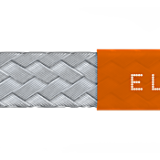

کابل هیت تریس خودتنظیمشونده ELTHERM ELSR-H
سازنده: eltherm GmbH | مدل: ELSR-H+ | نوع محصول: کابل هیت تریس خودتنظیمشونده دما بالا | ولتاژ نامی: 230 V AC | کاربرد: حفظ دمای فرایند و حفاظت در برابر یخزدگی
۱. معرفی محصول
کابل هیت تریس خودتنظیمشونده ELTHERM ELSR-H+ محصول شرکت آلمانی eltherm GmbH است که برای کاربردهای گرمایش الکتریکی صنعتی در شرایط دمایی بالا طراحی شده است. این کابل در سیستمهای هیت تریس برای حفظ دمای خطوط لوله، مخازن، شیرآلات و تجهیزات فرایندی مورد استفاده قرار میگیرد.
ساختار خودتنظیمشونده کابل امکان تغییر توان گرمایی متناسب با تغییرات دمای موضعی را فراهم میکند. این ویژگی در طراحی سیستمهای گرمایش الکتریکی صنعتی به توزیع متناسب گرما در طول مسیر کمک میکند و برای کاربردهایی که به حفظ دمای فرایند یا جلوگیری از افت دما نیاز دارند، اهمیت دارد.
کابل ELSR-H+ برای شرایط صنعتی دشوار طراحی شده و مقاومت در برابر مواد شیمیایی، روغن و بنزین از ویژگیهای مهم آن محسوب میشود. استفاده از این محصول در محیطهای مرطوب یا مناطق مستعد انفجار باید با توجه به مشخصات فنی کابل، تأییدیههای مربوطه و تجهیزات جانبی سازگار انجام شود.
این محصول با ولتاژ نامی ۲۳۰ ولت AC کار میکند و در پنج سطح توان نامی عرضه میشود. انتخاب مدل مناسب باید بر اساس بار حرارتی، دمای موردنیاز فرایند، شرایط نصب و محدودیتهای الکتریکی پروژه صورت گیرد.
۲. کاربردهای کابل هیت تریس ELTHERM ELSR-H+
حفظ دمای خطوط لوله
کمک به حفظ دمای سیالات در خطوط انتقال و کاهش افت دمای فرایند در شرایط محیطی مختلف.
جلوگیری از یخزدگی
قابل استفاده برای حفاظت از خطوط لوله، شیرآلات و تجهیزات در برابر یخزدگی، با انتخاب توان مناسب.
گرمایش مخازن صنعتی
استفاده در سیستمهای گرمایش الکتریکی مخازن و تجهیزات ذخیرهسازی متناسب با نیاز حرارتی پروژه.
گرمایش شیرآلات و پمپها
کمک به حفظ دمای تجهیزات فرایندی و جلوگیری از افت دمای موضعی در نقاط حساس سیستم.
صنایع شیمیایی و پتروشیمی
مناسب برای بررسی در فرایندهایی که پایداری حرارتی و مقاومت در برابر مواد شیمیایی اهمیت دارد.
محیطهای صنعتی دشوار
قابل بررسی برای کاربردهایی با شرایط حرارتی و محیطی سخت، مطابق محدوده مجاز محصول و الزامات ایمنی.
۳. ویژگیها و مزایای اصلی
فناوری خودتنظیمشونده
توان گرمایی کابل متناسب با تغییرات دمای موضعی تغییر میکند و به تأمین گرمای موردنیاز در طول مسیر کمک میکند.
قابلیت کار در دماهای بالا
مناسب برای کاربردهای صنعتی که به حفظ دمای فرایند در محدودههای حرارتی بالا نیاز دارند.
مقاومت شیمیایی
مقاومت در برابر مواد شیمیایی، روغن و بنزین، با رعایت محدودیتهای سازگاری شیمیایی اعلامشده برای محصول.
مقاومت در برابر رطوبت
قابل استفاده در شرایط محیطی متناسب با مشخصات حفاظتی کابل و با انتخاب صحیح اتصالات و تجهیزات جانبی.
پنج سطح توان نامی
امکان بررسی و انتخاب سطح توان مناسب برای نیاز حرارتی و شرایط بهرهبرداری پروژه.
انعطافپذیری در نصب
حداقل شعاع خمش اعلامشده ۲۵ میلیمتر است؛ نصب باید با رعایت دستورالعمل سازنده انجام شود.
۴. عملکرد فناوری خودتنظیمشونده
کابلهای هیت تریس خودتنظیمشونده دارای ساختاری هستند که رفتار الکتریکی المنت گرمایی آن با تغییر دما تغییر میکند. در نتیجه، توان خروجی کابل میتواند در نقاط مختلف مسیر و متناسب با دمای موضعی تغییر کند.
با کاهش دمای موضعی، توان گرمایی معمولاً افزایش پیدا میکند و با افزایش دما، توان خروجی کاهش مییابد. این عملکرد به تأمین گرمای متناسب در طول مسیر کمک میکند و در سیستمهای حفظ دمای فرایند و حفاظت در برابر یخزدگی کاربرد دارد.
خودتنظیمشونده بودن به معنای کنترل دقیق و مستقل دمای سیال در تمام شرایط نیست. طراحی صحیح مدار، محاسبه بار حرارتی، انتخاب تجهیزات حفاظتی و در صورت نیاز استفاده از سیستم کنترل دما همچنان ضروری است.
۵. مشخصات فنی کابل هیت تریس ELTHERM ELSR-H+
| مشخصه فنی | مقدار یا توضیحات |
|---|---|
| برند | ELTHERM |
| شرکت سازنده | eltherm GmbH |
| مدل محصول | ELSR-H+ |
| نوع محصول | کابل هیت تریس خودتنظیمشونده دما بالا |
| ولتاژ نامی | 230 V AC |
| حداکثر دمای نگهداری | ۱۶۵+ درجه سانتیگراد |
| حداکثر دمای مواجهه در حالت بدون برق | ۲۱۰+ درجه سانتیگراد |
| حداقل دمای نصب | ۶۰- درجه سانتیگراد |
| حداقل شعاع خمش | ۲۵ میلیمتر |
| تعداد سطوح توان نامی | ۵ سطح |
| ویژگیهای محیطی | مقاومت در برابر رطوبت و برخی مواد شیمیایی، روغن و بنزین مطابق مشخصات محصول |
| کاربرد اصلی | حفظ دمای فرایند، گرمایش صنعتی و حفاظت در برابر یخزدگی |
۶. مشخصات دمایی و شرایط بهرهبرداری
کابل هیت تریس ELSR-H+ برای کاربردهای صنعتی با نیازهای حرارتی بالا طراحی شده است. هنگام انتخاب این محصول باید بین دمای نگهداری فرایند، دمای محیط، دمای سطح کابل و دمای مواجهه در حالت بدون برق تفاوت قائل شد.
| مشخصه | مقدار اعلامشده |
|---|---|
| حداکثر دمای نگهداری | ۱۶۵+ درجه سانتیگراد |
| حداکثر دمای مواجهه در حالت بدون برق | ۲۱۰+ درجه سانتیگراد |
| حداقل دمای نصب | ۶۰- درجه سانتیگراد |
| ولتاژ نامی | 230 V AC |
۷. تجهیزات جانبی و اتصالات سازگار
برای نصب و بهرهبرداری از کابل هیت تریس ELTHERM ELSR-H+، استفاده از تجهیزات اتصال، انتهایی و حفاظتی متناسب با مشخصات کابل ضروری است. نوع تجهیزات جانبی باید براساس ساختار کابل، ولتاژ تغذیه، شرایط محیطی و الزامات ایمنی پروژه انتخاب شود.
کیت اتصال کابل
برای اتصال کابل به مدار تغذیه و ایجاد اتصال ایمن، با رعایت دستورالعمل سازنده و سازگاری کیت با مدل کابل.
کیت انتهایی
برای پایاندهی صحیح کابل و حفاظت از انتهای مدار مطابق دستورالعمل نصب محصول.
جعبه تقسیم و اتصال
برای ایجاد نقاط اتصال الکتریکی با توجه به شرایط نصب، میزان حفاظت موردنیاز و مشخصات تجهیزات.
گلندها و تجهیزات آببندی
برای ورود کابل به جعبههای اتصال و حفظ سطح حفاظت موردنیاز در شرایط محیطی پروژه.
تجهیزات مناطق مستعد انفجار
در صورت نصب در مناطق خطرناک، تجهیزات باید تأییدیه مناسب با طبقهبندی ناحیه و شرایط بهرهبرداری داشته باشند.
تجهیزات کنترل و حفاظت
انتخاب تجهیزات حفاظتی و کنترلی باید بر اساس طراحی مدار، شرایط راهاندازی و الزامات الکتریکی انجام شود.
۸. نکات مهم در طراحی و نصب
محاسبه بار حرارتی
اتلاف حرارتی لوله، مخزن یا تجهیز باید با توجه به ابعاد، عایقکاری، دمای محیط و دمای نگهداری موردنیاز محاسبه شود.
انتخاب سطح توان مناسب
از میان سطوح توان موجود باید گزینهای انتخاب شود که نیاز حرارتی و شرایط واقعی بهرهبرداری پروژه را پوشش دهد.
رعایت حداقل شعاع خمش
حداقل شعاع خمش ۲۵ میلیمتر اعلام شده است. از خمکردن کابل با شعاع کمتر از حد مجاز خودداری شود.
رعایت دمای نصب
حداقل دمای نصب اعلامشده منفی ۶۰ درجه سانتیگراد است. روش نصب باید با دستورالعمل سازنده مطابقت داشته باشد.
بررسی سازگاری شیمیایی
نوع ماده شیمیایی، غلظت، دمای تماس و مدت مواجهه باید برای تأیید سازگاری کابل بررسی شوند.
حفاظت الکتریکی
انتخاب تجهیزات حفاظتی، اتصال ارت، حفاظت جریان نشتی و کابل تغذیه باید براساس طراحی مدار و مقررات مربوطه انجام شود.
۹. طراحی مدار و حفاظت الکتریکی
طول مجاز مدار کابل هیت تریس خودتنظیمشونده ELSR-H+ به عواملی مانند سطح توان، دمای راهاندازی، ولتاژ تغذیه، جریان راهاندازی، نوع حفاظت الکتریکی و شرایط نصب بستگی دارد. بنابراین تعیین طول مدار بدون بررسی جداول فنی سازنده امکانپذیر نیست.
در طراحی سیستم باید افت ولتاژ، جریان مصرفی، ظرفیت تجهیزات حفاظتی، شرایط اتصال و الزامات مربوط به اتصال ارت در نظر گرفته شوند. در صورت نیاز به کنترل دقیق دمای فرایند، استفاده از تجهیزات کنترل دما باید متناسب با شرایط کاربرد بررسی شود.
۱۰. مقاومت شیمیایی و شرایط محیطی
کابل ELSR-H+ برای کاربردهای صنعتی با شرایط محیطی دشوار طراحی شده و مقاومت در برابر مواد شیمیایی، روغن و بنزین از ویژگیهای اعلامشده آن است. این ویژگیها امکان بررسی محصول را برای کاربردهایی فراهم میکنند که مقاومت روکش کابل در برابر عوامل محیطی اهمیت دارد.
میزان سازگاری شیمیایی به نوع ماده، غلظت، دمای تماس و مدت مواجهه بستگی دارد. بنابراین پیش از انتخاب کابل برای محیطهای شیمیایی، باید مقاومت محصول در برابر مواد موجود در فرایند بررسی شود.
در محیطهای مرطوب و فضاهای باز نیز انتخاب تجهیزات اتصال، جعبههای تقسیم، گلندها و روش آببندی مناسب اهمیت دارد. در صورت استفاده در مناطق مستعد انفجار، تمام اجزای سیستم باید مطابق الزامات حفاظتی و طبقهبندی ناحیه انتخاب شوند.
۱۱. ایمنی، راهاندازی و نگهداری
نصب کابل هیت تریس ELSR-H+ باید مطابق دستورالعمل سازنده و مقررات الکتریکی مربوطه انجام شود. پیش از نصب، مسیر کابل، وضعیت سطح، روش تثبیت، محل اتصالات و شرایط عایقکاری باید بررسی شوند.
پیش از برقدار کردن مدار، سلامت کابل، اتصالات، عایق الکتریکی، اتصال ارت و تجهیزات حفاظتی باید کنترل شود. آزمونهای الکتریکی باید مطابق روش تأییدشده سازنده انجام شوند تا از آسیب احتمالی به کابل جلوگیری شود.
در زمان بهرهبرداری نیز بررسی دورهای وضعیت کابل، اتصالات، تجهیزات حفاظتی و عملکرد سیستم به حفظ ایمنی و قابلیت اطمینان کمک میکند. در صورت مشاهده آسیب مکانیکی، اختلال در عملکرد یا ایراد در اتصالات، بررسی تخصصی سیستم پیش از ادامه بهرهبرداری ضروری است.
۱۲. مزایای کابل هیت تریس ELTHERM ELSR-H+
قابلیت کار در دماهای بالا
مناسب برای کاربردهای صنعتی که به حفظ دمای فرایند در محدودههای حرارتی بالا نیاز دارند.
فناوری خودتنظیمشونده
تغییر توان خروجی متناسب با دمای موضعی و کمک به توزیع مناسب گرما در طول مسیر.
مقاومت شیمیایی
مقاومت در برابر مواد شیمیایی، روغن و بنزین، مطابق محدودیتهای سازگاری اعلامشده برای محصول.
تنوع سطوح توان
وجود پنج سطح توان نامی برای بررسی و انتخاب گزینه متناسب با نیاز حرارتی پروژه.
محدوده نصب گسترده
حداقل دمای نصب منفی ۶۰ درجه سانتیگراد و حداقل شعاع خمش ۲۵ میلیمتر، مطابق مشخصات اعلامشده.
کاربردهای صنعتی متنوع
قابل استفاده برای طراحی سیستمهای حفظ دمای فرایند و حفاظت در برابر یخزدگی لولهها، مخازن و تجهیزات.
۱۳. جمعبندی
کابل هیت تریس خودتنظیمشونده ELTHERM ELSR-H+ راهکاری برای گرمایش الکتریکی صنعتی، حفظ دمای خطوط لوله و تجهیزات فرایندی و حفاظت در برابر یخزدگی است. این محصول برای کاربردهایی که به تحمل دمایی بالا و مقاومت در برابر شرایط محیطی دشوار نیاز دارند، قابل بررسی است.
از ویژگیهای مهم این کابل میتوان به ولتاژ نامی ۲۳۰ ولت AC، پنج سطح توان نامی، حداقل دمای نصب منفی ۶۰ درجه سانتیگراد و حداقل شعاع خمش ۲۵ میلیمتر اشاره کرد. همچنین حداکثر دمای نگهداری ۱۶۵ درجه سانتیگراد و حداکثر دمای مواجهه در حالت بدون برق ۲۱۰ درجه سانتیگراد برای این محصول اعلام شده است.
فناوری خودتنظیمشونده، مقاومت در برابر مواد شیمیایی، روغن و بنزین و قابلیت استفاده در کاربردهای صنعتی متناسب با مشخصات محصول، از دیگر ویژگیهای قابل توجه آن هستند. استفاده در مناطق مستعد انفجار منوط به تأیید مناسب بودن کابل و تجهیزات جانبی برای طبقهبندی ناحیه موردنظر است.
برای دستیابی به عملکرد ایمن و مطمئن، انتخاب مدل و سطح توان مناسب، محاسبه بار حرارتی، تعیین طول مدار، انتخاب تجهیزات جانبی و بررسی شرایط نصب باید پیش از اجرا انجام شوند. تطبیق اطلاعات با دیتاشیت رسمی سازنده و دستورالعملهای نصب، بخش ضروری فرایند انتخاب و بهرهبرداری از این محصول است.

ELTHERM ELSR-H+ Self-Regulating High-Temperature Heating Cable
Manufacturer: eltherm GmbH, Germany
Self-Regulating High-Temperature Heating Cable for Industrial Frost Protection and Process Temperature Maintenance
1. Product Overview
The ELTHERM ELSR-H+ is a self-regulating electric heating cable designed for demanding industrial heat-tracing applications requiring reliable temperature maintenance at elevated temperatures. It is intended for freeze protection and process temperature maintenance in suitable industrial piping, tanks, vessels, silos, valves, pumps, and other process equipment.
Designed for challenging industrial environments, the ELSR-H+ combines high-temperature capability, self-regulating heating technology, and a multilayer cable construction. It is intended for applications where reliable heat tracing is required to compensate for heat losses, maintain specified process temperatures, and protect compatible equipment against freezing.
The cable has a maximum continuous maintenance temperature of +165°C and a maximum exposure temperature of +210°C when de-energized. These ratings make the ELSR-H+ suitable for selected high-temperature industrial heat-tracing applications, provided that the operating conditions remain within the manufacturer's specified limits.
The self-regulating heating element responds to local temperature changes by adjusting its heat output. As the surrounding temperature decreases, heat output generally increases; as the temperature rises, heat output generally decreases. This characteristic helps the heating system respond to variations in thermal conditions along the installed cable.
The ELSR-H+ operates at a nominal voltage of 230 VAC and is available in five nominal power ratings: 15, 30, 45, 60, and 75 W/m. The appropriate version should be selected according to the required maintenance temperature, calculated heat losses, insulation performance, ambient conditions, and electrical design requirements.
The cable construction incorporates nickel-plated copper bus wires, a self-regulating heating element, fluoropolymer electrical insulation, a nickel-plated copper protective braid, and a fluoropolymer outer jacket. These components provide electrical insulation and additional protection for use in demanding industrial environments.
With a minimum installation temperature of -60°C and a minimum bending radius of 25 mm, the ELSR-H+ is designed to support installation in cold environments and around suitable piping, fittings, valves, and other equipment. Installation must follow the manufacturer's instructions and the requirements of the specific application.
2. Applications of the ELSR-H+ Heating Cable
The ELTHERM ELSR-H+ is intended for industrial heat-tracing applications requiring freeze protection or process temperature maintenance at elevated temperatures. The suitability of the cable for a particular installation depends on the selected power rating, operating temperature, environmental exposure, chemical compatibility, and applicable installation requirements.
Industrial Pipe Freeze Protection
The ELSR-H+ can be used in suitable industrial piping systems where low ambient temperatures may cause liquids to freeze. When correctly selected and installed, the heating cable compensates for heat losses and helps maintain the required pipe temperature. Cable layout, insulation, circuit length, and electrical protection must be determined through appropriate engineering calculations.
Process Temperature Maintenance
Industrial process lines may require continuous temperature maintenance to support process stability and prevent unwanted temperature reductions. The ELSR-H+ can be evaluated for compatible process applications requiring elevated maintenance temperatures within the permitted operating range of the selected cable.
Storage Tanks and Industrial Vessels
Suitable tank and vessel installations may require heat tracing to compensate for heat losses, maintain process temperatures, or protect temperature-sensitive contents. The ELSR-H+ may be considered where its temperature ratings, heat output, surface installation requirements, and material compatibility meet the application requirements.
Silos, Valves, and Pumps
Selected silos, valves, pumps, and associated process equipment may require heat tracing to prevent freezing or maintain specified operating conditions. The heating cable must be installed according to the equipment geometry, required heat output, manufacturer's instructions, and applicable mechanical and electrical requirements.
Chemical and Petrochemical Industry
The ELSR-H+ can be evaluated for compatible heat-tracing applications in chemical and petrochemical facilities. Its fluoropolymer insulation and outer jacket support use in demanding environments, subject to verification of chemical compatibility with the actual substances, concentrations, temperatures, and exposure conditions.
Oil and Gas Industry
Suitable oil and gas installations may require heat tracing to maintain process temperatures and protect selected piping and equipment against freezing. Applications involving oil, petrol, chemicals, or potentially explosive atmospheres require verification of the cable's ratings, material compatibility, applicable approvals, and complete system design.
Power Generation and Industrial Utilities
The ELSR-H+ may be considered for suitable auxiliary piping, process equipment, and utility installations requiring high-temperature heat tracing. The selected cable must be compatible with the process temperature, environmental conditions, insulation system, and electrical supply.
Water and Wastewater Infrastructure
Selected water-treatment and utility installations may require freeze protection or temperature maintenance for exposed pipes and equipment. The cable's suitability depends on the required operating temperature, actual heat losses, environmental exposure, and compatibility with the installation materials.
3. Key Features and Technical Benefits
Self-Regulating Heating Technology
The ELSR-H+ incorporates a temperature-responsive heating element that changes its electrical characteristics according to local temperature conditions. This allows the heat output to vary along the cable and supports more responsive heating performance under changing thermal conditions.
High-Temperature Performance
The cable supports a maximum continuous maintenance temperature of +165°C. This capability allows the ELSR-H+ to be considered for selected industrial processes that require elevated temperature maintenance, subject to the specified operating conditions and system design.
High-Temperature Exposure Resistance
The maximum exposure temperature is +210°C when the cable is de-energized. This rating must not be interpreted as a permissible continuous operating temperature. Continuous operation and exposure conditions must remain within the manufacturer's specified limits.
Five Nominal Heating Output Options
The ELSR-H+ is available in nominal power ratings of 15, 30, 45, 60, and 75 W/m. These options provide flexibility when designing heating systems for different pipe sizes, insulation arrangements, ambient temperatures, and required maintenance temperatures.
Fluoropolymer Insulation and Outer Jacket
The fluoropolymer insulation and outer jacket provide electrical insulation and support resistance to demanding environmental conditions. Chemical compatibility must be confirmed for the actual process media, concentrations, operating temperatures, and exposure duration.
Nickel-Plated Copper Protective Braid
The nickel-plated copper protective braid provides an additional metallic protective layer around the cable. Its electrical connection and grounding must follow the manufacturer's installation instructions and the applicable electrical safety requirements.
Resistance to Moisture, Chemicals, Oil, and Petrol
The ELSR-H+ is designed for demanding industrial environments involving moisture and selected chemical substances, oil, and petrol. Actual compatibility depends on the product specifications and the conditions at the installation site.
Cold-Weather Installation
The specified minimum installation temperature is -60°C. This characteristic supports installation planning for cold environments, provided that the manufacturer's handling instructions and all applicable installation requirements are observed.
Flexible Cable Routing
The minimum bending radius of 25 mm supports routing around suitable pipework, fittings, and equipment. The cable must not be bent below the permitted radius or subjected to mechanical stress that could damage its insulation, protective braid, or outer jacket.
Industrial Heat-Tracing Versatility
The combination of self-regulating technology, multiple power ratings, and high-temperature capability allows the ELSR-H+ to be considered for a wide range of compatible industrial heating applications. Correct cable selection and system engineering remain essential for reliable operation.
4. Operating Principle
The ELTHERM ELSR-H+ operates using a self-regulating heating element supplied through parallel electrical bus wires. The heating element responds to temperature changes by changing its electrical resistance, which influences the amount of heat generated.
When the local temperature decreases, the heating element generally produces more heat. When the local temperature increases, its heat output generally decreases. This behavior allows different sections of the cable to respond to their respective thermal conditions.
The cable is installed along or around the equipment requiring heat tracing. The generated heat compensates for heat losses through the equipment surface and thermal insulation, helping maintain the required temperature when the system is correctly designed.
Actual heat output depends on the selected cable rating, operating temperature, supply conditions, installation arrangement, insulation, and ambient environment. Nominal power ratings must therefore be interpreted at the reference conditions specified by the manufacturer rather than assumed to remain constant at every operating temperature.
Depending on the application, the heating system may incorporate temperature sensors, controllers, contactors, and monitoring equipment to manage operating conditions. The control strategy should be selected according to process requirements and applicable safety standards.
Self-regulating operation does not eliminate the need for heat-loss calculations, correct electrical protection, suitable temperature monitoring where required, or compliance with the manufacturer's installation instructions.
5. Technical Specifications
The following table summarizes the principal technical specifications of the ELSR-H+ heating cable. Cable-specific electrical and mechanical data should be confirmed against the manufacturer's documentation for the exact product designation before procurement or installation.
| Parameter | Specification |
|---|---|
| Manufacturer | eltherm GmbH |
| Country of Origin | Germany |
| Product Designation | ELSR-H+ |
| Product Type | Self-Regulating High-Temperature Electric Heating Cable |
| Primary Applications | Industrial Freeze Protection and Process Temperature Maintenance |
| Nominal Voltage | 230 VAC |
| Maximum Continuous Maintenance Temperature | +165°C |
| Maximum Exposure Temperature, De-Energized | +210°C |
| Minimum Installation Temperature | -60°C |
| Minimum Bending Radius | 25 mm |
| Available Nominal Power Outputs | 15, 30, 45, 60, and 75 W/m |
| Bus Wire Material | Nickel-Plated Copper |
| Bus Wire Cross-Sectional Area | 1.23 mm² |
| Heating Element | Self-Regulating Polymer Heating Element |
| Electrical Insulation | Fluoropolymer |
| Protective Braid | Nickel-Plated Copper |
| Outer Jacket | Fluoropolymer |
| Moisture Resistance | Designed for Industrial Environments; Verify Application Conditions |
| Chemical Resistance | Subject to Chemical Compatibility |
| Resistance to Oil and Petrol | Subject to Product Ratings and Exposure Conditions |
| Hazardous-Area Suitability | Subject to Applicable Approvals and Complete System Requirements |
6. Cable Construction
The ELTHERM ELSR-H+ features a multilayer construction designed to provide electrical heating, insulation, and additional protection under demanding industrial operating conditions.
Bus Wires
The cable incorporates nickel-plated copper bus wires with a specified cross-sectional area of 1.23 mm². These conductors distribute electrical power along the heating cable and supply the self-regulating heating element.
Self-Regulating Heating Element
The heating element responds to local temperature variations by changing its electrical characteristics. This allows the cable's heat output to adapt to different thermal conditions along the installation.
Electrical Insulation
Fluoropolymer electrical insulation provides separation between conductive components and contributes to the cable's suitability for demanding industrial environments. The insulation must remain intact throughout installation and operation.
Protective Braid
The nickel-plated copper protective braid provides an additional metallic protective layer. Its grounding and electrical connection must comply with the manufacturer's instructions and applicable electrical regulations.
Outer Jacket
The fluoropolymer outer jacket provides an external protective layer intended to support resistance to moisture, chemicals, oil, petrol, and other environmental influences within the product's specified limits. Compatibility must be assessed for the actual installation conditions.
7. Installation and System Design Considerations
Correct system design and installation are essential for reliable heat tracing, electrical safety, and long-term operating performance. The ELSR-H+ must be selected according to the thermal, electrical, mechanical, and environmental requirements of the application.
Heating Load Calculation
Determine the required heating capacity according to the equipment dimensions, operating temperature, minimum ambient temperature, thermal insulation, and expected heat losses. The design must provide sufficient heating output to maintain the required temperature under the specified operating conditions.
Cable Selection
Select the appropriate nominal power rating using the manufacturer's technical data and heating-output curves. The available ELSR-H+ ratings are 15, 30, 45, 60, and 75 W/m. The correct selection depends on the calculated heating demand and actual installation conditions.
Cable Layout and Installation Method
Determine cable routing, spacing, fixing methods, and the number of cable runs according to the required heating output and equipment geometry. Follow the manufacturer's instructions and avoid crossing or overlapping cable sections unless expressly permitted.
Thermal Insulation
Appropriate thermal insulation reduces heat losses and supports effective temperature maintenance. Insulation materials must be compatible with the process temperature and operating environment. Weatherproofing should be considered where moisture could enter the insulation system.
Maximum Heating Circuit Length
Determine the permitted circuit length using the manufacturer's official design tables. The maximum length may depend on cable rating, start-up temperature, supply voltage, protective-device rating, and installation conditions. It must not be estimated from nominal wattage alone.
Electrical Protection
Provide suitable overcurrent protection, residual-current protection where required, protective earthing, and compatible electrical accessories. Circuit design must account for start-up current, steady-state current, cable length, voltage drop, and applicable electrical regulations.
Bending Radius and Mechanical Handling
Observe the specified minimum bending radius of 25 mm. Avoid twisting, crushing, stretching, or damaging the cable during transport and installation. The outer jacket, insulation, and protective braid must remain intact.
Installation Temperature
The specified minimum installation temperature is -60°C. Installation planning and cable handling must comply with the manufacturer's instructions and the permitted environmental conditions.
Chemical Compatibility
Verify the cable's compatibility with all process chemicals, cleaning agents, oils, and other substances present at the installation site. Consider chemical concentration, operating temperature, exposure duration, and the possibility of accidental contact.
Temperature Control and Monitoring
Select a suitable control strategy according to the process requirements. Temperature sensors, controllers, contactors, alarms, and monitoring equipment may be required depending on the application and applicable safety requirements.
Inspection Before Commissioning
Before energizing the system, inspect the cable, protective braid, electrical connections, end terminations, junction boxes, and protective devices. Complete the required electrical tests and commissioning procedures in accordance with the manufacturer's instructions.
8. Compatible Accessories and System Components
A complete ELSR-H+ installation may require connection kits, end termination components, junction boxes, mounting materials, electrical protection devices, temperature sensors, and control equipment. The required components depend on the cable version, installation environment, and system design.
Connection and Termination Accessories
Use connection kits and end termination components approved for the selected heating cable. These components must provide suitable electrical insulation, mechanical protection, and environmental sealing for the intended application.
Junction Boxes
Select junction boxes with suitable electrical ratings, ingress protection, cable entries, and environmental resistance. Compatibility with the heating cable, connection accessories, and installation conditions must be confirmed before use.
Mounting and Fixing Materials
Suitable mounting materials may be required to secure the cable to pipes, tanks, vessels, or other approved surfaces. Fixing methods must not damage the cable or compromise its protective layers.
Electrical Protection Equipment
Circuit breakers, residual-current protection devices, protective conductors, contactors, and other electrical components must be selected according to the manufacturer's instructions, circuit design, and applicable regulations.
Temperature Sensors and Controllers
Depending on the application, temperature sensors and control equipment may be used to monitor the protected equipment and manage system operation. Sensor placement and controller settings must reflect the process requirements and thermal characteristics of the installation.
The compatibility of individual accessory models must be verified against the manufacturer's documentation for the selected ELSR-H+ cable. No specific accessory should be assumed compatible without confirmation.
9. Industrial Frost Protection and Process Temperature Maintenance
Industrial freeze protection is essential where low ambient temperatures may cause liquids to freeze, interrupt operations, or damage equipment. Pipes, tanks, vessels, and other exposed components may require heat tracing to compensate for heat losses during cold weather.
The ELSR-H+ can be incorporated into an appropriately engineered heating system to maintain the required temperature of compatible equipment. Its heating output compensates for thermal losses through the equipment surface and insulation, helping maintain the specified operating conditions.
System performance depends on cable selection, heating output, cable layout, insulation quality, ambient conditions, process temperature, and electrical supply. Nominal power ratings should not be interpreted as guaranteed output under all operating conditions.
The required control strategy depends on the application. Some systems may operate continuously during cold conditions, while others may use temperature-based control or additional monitoring to maintain the desired process temperature.
Applications involving sensitive process media, hazardous areas, or demanding chemical exposure require assessment of the complete heating system against the applicable process, electrical, and safety requirements.
10. Hazardous-Area Applications and Safety Requirements
Where the heating system is intended for a potentially explosive atmosphere, the suitability of the complete installation must be verified against the applicable hazardous-area classification, product approvals, and installation requirements.
The heating cable must be used with compatible approved connection kits, termination components, junction boxes, electrical protection devices, and control equipment. The installation must comply with the relevant certification conditions, manufacturer's instructions, and applicable electrical regulations.
Self-regulating operation does not eliminate the need for suitable electrical protection, temperature limitations, correct heat-loss calculations, or any required temperature-control measures. The complete system must be designed and installed by qualified personnel.
11. Safety and Maintenance
Installation and electrical connection of the ELTHERM ELSR-H+ must be performed by qualified personnel in accordance with the manufacturer's instructions and applicable electrical regulations.
Before commissioning, verify cable condition, electrical connections, protective-braid continuity, grounding arrangements, end terminations, circuit protection, and compatibility of the installation accessories. Carry out the required electrical tests and document the commissioning results where necessary.
Periodic inspection should be carried out according to the operating environment and maintenance requirements of the heating system. Particular attention should be given to visible cable damage, deterioration of the outer jacket, damaged junction boxes, moisture ingress at connections, and changes in process conditions that could affect heating performance.
Any identified damage must be assessed by qualified personnel before the system is returned to service. Repairs and replacements must follow approved manufacturer procedures and use compatible components.
The maximum continuous maintenance temperature of +165°C and maximum exposure temperature of +210°C when de-energized are separate ratings and must be observed accordingly. The specified minimum installation temperature and minimum bending radius must also be respected throughout installation.
12. Main Product Advantages
- Self-regulating heating technology that responds to local temperature variations.
- Maximum continuous maintenance temperature of +165°C.
- Maximum exposure temperature of +210°C when de-energized.
- Five nominal power ratings: 15, 30, 45, 60, and 75 W/m.
- Nominal operating voltage of 230 VAC.
- Fluoropolymer electrical insulation and outer jacket.
- Nickel-plated copper bus wires and protective braid.
- Specified minimum installation temperature of -60°C.
- Specified minimum bending radius of 25 mm.
- Designed for suitable industrial freeze protection and process temperature maintenance.
- Resistance to moisture, selected chemicals, oil, and petrol, subject to product ratings and exposure conditions.
- Flexible cable routing when installed according to manufacturer requirements.
- Suitable for integration into engineered industrial heat-tracing systems.
These characteristics make the ELSR-H+ a candidate for industrial heat-tracing projects requiring elevated temperature capability, reliable temperature maintenance, and robust construction, provided that the selected cable version and complete installation meet the application requirements.
13. Conclusion
The ELTHERM ELSR-H+ is a self-regulating, high-temperature electric heating cable designed for industrial freeze protection and process temperature maintenance. It offers a maximum continuous maintenance temperature of +165°C, a maximum exposure temperature of +210°C when de-energized, and nominal power ratings ranging from 15 to 75 W/m at a nominal voltage of 230 VAC.
Its nickel-plated copper bus wires, self-regulating heating element, fluoropolymer insulation, nickel-plated copper protective braid, and fluoropolymer outer jacket provide a multilayer construction intended for demanding industrial environments. With a specified minimum installation temperature of -60°C and minimum bending radius of 25 mm, it supports installation planning for a variety of compatible industrial heating applications.
The ELSR-H+ can be considered for suitable industrial piping, tanks, vessels, silos, valves, pumps, and other process equipment in chemical and petrochemical facilities, oil and gas installations, power plants, and industrial utility systems.
Successful application requires correct cable selection, heat-loss calculations, appropriate thermal insulation, compatible accessories, suitable electrical protection, and a control strategy matched to the process. All technical ratings and installation requirements must be verified against the manufacturer's documentation for the exact product designation.


